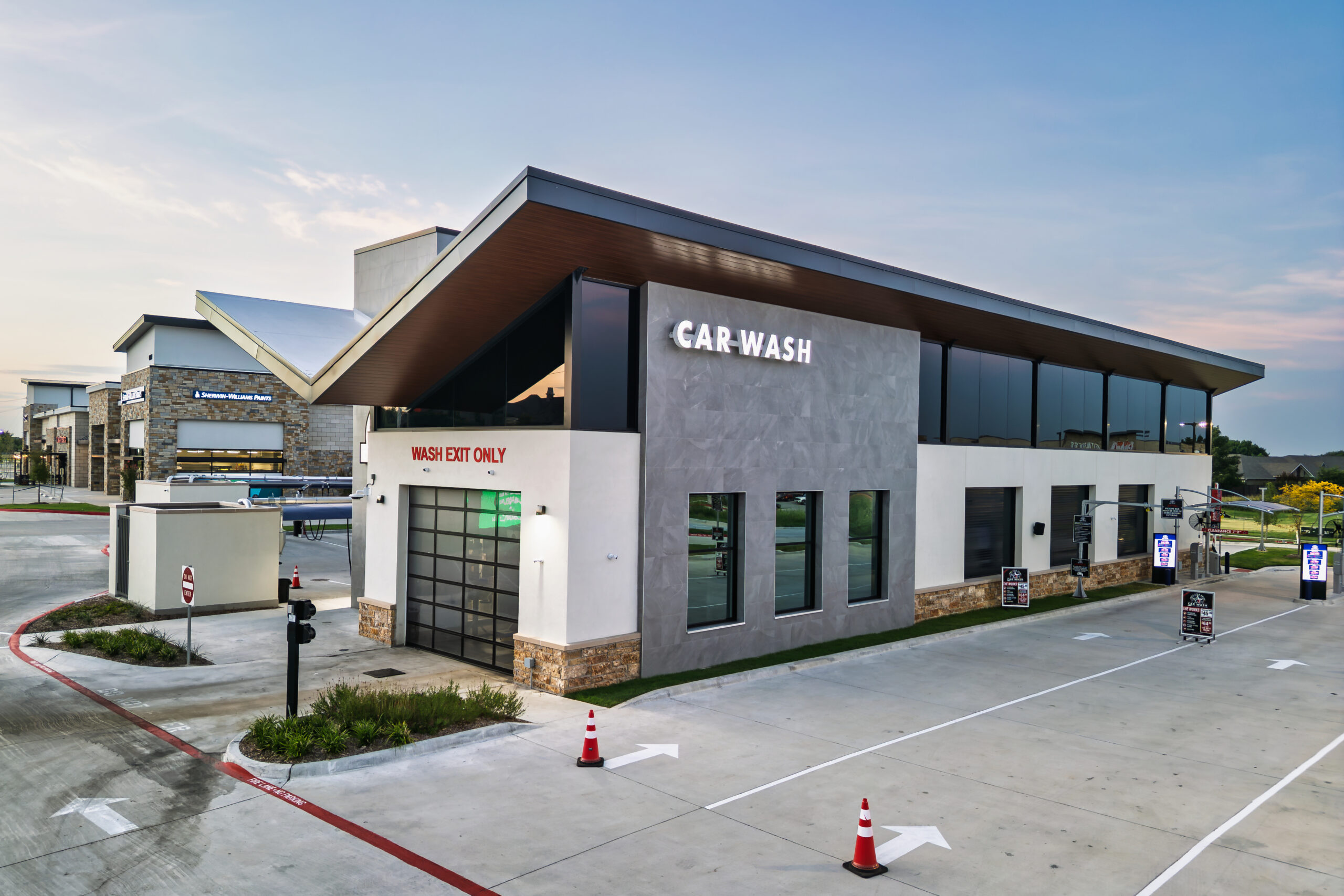
A car wash may look simple from the outside, but behind the building is a highly technical business environment. Between tunnel equipment, vehicle flow, drainage, utilities, pay stations, vacuums, lighting, and customer experience, every decision affects how well the wash performs.
That is why hiring a specialized car wash architect matters.
For new owners and expanding operators, the right architect does more than draw a building. They help turn a business model into a high-performance facility designed for efficiency, customer appeal, construction coordination, and long-term profitability.
At APDG Architects, we specialize in car wash, dealership, and commercial architecture, with decades of experience designing automotive spaces that balance function, brand, and business performance.
Car Washes Are Technically Complex Buildings
A car wash is not just a tunnel with equipment inside. It is a coordinated system of architecture, engineering, operations, and customer movement.
A successful car wash design must account for:
- Vehicle stacking and site circulation
- Tunnel length, width, and alignment
- Equipment clearances
- Water management and drainage
- Electrical and mechanical systems
- Vacuum layout and canopy placement
- Pay station positioning
- Maintenance access
- Customer comfort and visibility
- Brand identity and curb appeal
If one piece is not properly coordinated, the effects can show up during operation. A poorly planned site can slow throughput. An undersized tunnel can limit quality. A bad exit path can create traffic conflicts. Weak material choices can increase maintenance costs.
A specialized car wash architect understands how these details work together before they become expensive problems.
Equipment Integration Is One of the Biggest Challenges
Car wash equipment is central to the project, but it cannot be treated as separate from the architecture. The tunnel, structure, utilities, trenching, equipment pads, doors, ceiling heights, lighting, and service access all need to work with the selected system.
When equipment integration is handled too late, owners may face:
- Conflicts between equipment and structure
- Drainage problems
- Tight maintenance clearances
- Poor vehicle alignment
- Utility coordination issues
- Construction delays
- Change orders
The equipment package should influence the building from the beginning, not be forced into a generic layout after the fact.
APDG’s car wash architecture services are built around this kind of coordination. The goal is not just to make the equipment fit. The goal is to create a facility where the equipment, building, site, and customer flow work together as one efficient system.
Experienced Architects Help Reduce Costly Construction Changes
Many owners focus on the architectural fee first. But the more important question is what the design helps prevent.
An inexperienced designer may appear less expensive upfront, but incomplete or poorly coordinated plans can lead to costly construction changes. In car wash projects, those changes can be especially expensive because they often involve equipment, utilities, concrete, drainage, or structural adjustments.
A specialized car wash architect helps reduce risk by:
- Planning around known industry requirements
- Coordinating equipment and building systems early
- Identifying site constraints before construction
- Creating more thorough construction documents
- Anticipating operational issues
- Helping owners make practical design decisions
Better planning on the front end can help protect the budget later. It can also make the construction process smoother for the owner, contractor, equipment provider, and consultants.
At APDG, thoroughness is part of the value. Our team focuses on detail-driven plans, practical problem-solving, and designs that support both construction efficiency and long-term operations.
Common Design Mistakes That Hurt Performance
Many car wash mistakes are avoidable when the project is planned by someone who understands the industry. Some of the most common include:
Poor Traffic Flow
If cars cannot move smoothly from the street to the pay station, tunnel, vacuum area, and exit, the customer experience suffers. Poor circulation can create backups, confusion, and lost sales.
Tunnel Design Errors
A tunnel that is too short, too narrow, or poorly aligned can reduce throughput and create poor quality. The tunnel should support the business model, not restrict it.
Weak Vacuum Planning
Vacuum areas are a major part of the customer experience, especially for express car washes. Poor stall spacing, awkward circulation, limited shade, and bad lighting can make the site feel frustrating or unsafe.
Cheap Materials
Car washes face water, chemicals, humidity, heat, sunlight, and heavy daily use. Low-quality materials may reduce upfront costs but can lead to fading, corrosion, maintenance problems, and weaker curb appeal.
Treating Design as an Afterthought
A car wash is a customer-facing brand. The building influences perception before the customer ever enters the tunnel. Strong design can help attract customers, support premium positioning, and differentiate the business from competitors.
You can see how thoughtful architecture supports brand and performance in APDG’s portfolio of car wash and commercial projects.
Specialized Knowledge Saves Money Long Term
A specialized car wash architect helps owners think beyond opening day. The facility needs to work during peak traffic, support maintenance, accommodate future upgrades, and stay visually competitive as the market evolves.
Long-term value comes from decisions such as:
- Planning efficient site flow
- Designing around equipment needs
- Selecting durable materials
- Creating clear customer navigation
- Supporting membership-based operations
- Improving visibility and curb appeal
- Reducing avoidable construction conflicts
- Building a brand-driven customer experience
Good design is not just about how the building looks. It is about how the business performs.
That is where specialized knowledge matters. A generalist may understand buildings, but a specialized car wash architect understands the relationship between layout, operations, equipment, customer behavior, and Return On Investment (ROI).
APDG’s high-performance architecture for automotive and retail spaces is designed around that connection: function, beauty, brand power, and business success.
Why APDG Architects
APDG Architects has spent more than two decades helping redefine what car wash architecture can be. Our team brings deep automotive-centric expertise, detailed coordination, and a practical understanding of how design decisions affect operations and profitability.
We do not believe a car wash should be a basic utility building. We believe it should be a high-performance space that attracts customers, improves efficiency, strengthens the brand, and supports long-term growth.
Whether you are planning your first wash or expanding an existing portfolio, APDG can help you approach the project with clarity, creativity, and technical confidence.
Ready to start your project? Visit APDG Architects or explore our car wash design expertise to begin planning a facility built for performance.
FAQ
What does a car wash architect do?
A car wash architect designs the building, site layout, tunnel, customer flow, and supporting spaces while coordinating with equipment, engineering, code, and construction requirements.
Why should I hire a specialized car wash architect?
Car washes are technically complex buildings. A specialized architect understands equipment coordination, tunnel sizing, traffic flow, drainage, vacuum planning, and the operational details that affect long-term performance.
Can an inexperienced designer increase construction costs?
Yes. Incomplete or poorly coordinated plans can lead to construction changes, delays, equipment conflicts, and added costs. Specialized experience helps reduce preventable issues.
What should I look for in a car wash architect?
Look for industry experience, a strong portfolio, technical coordination skills, clear communication, and an understanding of how design affects customer experience and profitability.
When should I bring in a car wash architect?
Ideally, early in the planning process. Early architectural input can help evaluate the site, coordinate the equipment strategy, and avoid layout decisions that are difficult or expensive to fix later.