Starting a car wash can be a smart business move, but success depends on much more than equipment and location. The right car wash design can improve customer flow, reduce operational headaches, protect your construction budget, and help your facility stand out in a competitive market.
For new owners, the biggest risks are often the ones that are not obvious at the beginning. A plan may look good on paper but create traffic backups, tunnel conflicts, awkward vacuum areas, maintenance challenges, or costly change orders once construction begins.
At APDG Architects, we design high-performance car wash facilities that balance operational efficiency, brand presence, construction coordination, and long-term business value. Here are 10 costly mistakes new owners should avoid before they build.
1. Poor Traffic Flow
Traffic flow is one of the most important parts of car wash design. Customers need to enter, stack, pay, load, wash, vacuum, and exit without confusion or delay.
Poor traffic flow can cause backups onto public roads, unsafe vehicle conflicts, long wait times, and frustrated customers who leave before purchasing. A strong site plan looks at peak-hour demand, not just average use. Every turn, lane, pay station, and merge point affects throughput.
APDG’s car wash architecture services focus on efficient layouts that support both customer experience and business performance.
2. Tunnel Design Errors
The tunnel is the core of the operation. If it is too short, too narrow, poorly aligned, or not properly coordinated with the equipment package, the entire business model can suffer.
Tunnel design mistakes can lead to reduced wash quality, lower vehicle throughput, and poor maintenance access. A tunnel should never be treated as a generic box. It needs to be planned around equipment, drainage, structure, lighting, service access, and operator goals.
Working with an experienced car wash design architect helps owners avoid hidden coordination issues before they become expensive construction problems.
3. Not Planning Vacuum Areas Early
Vacuum areas are often underestimated by new owners, but they play a major role in customer satisfaction and membership value.
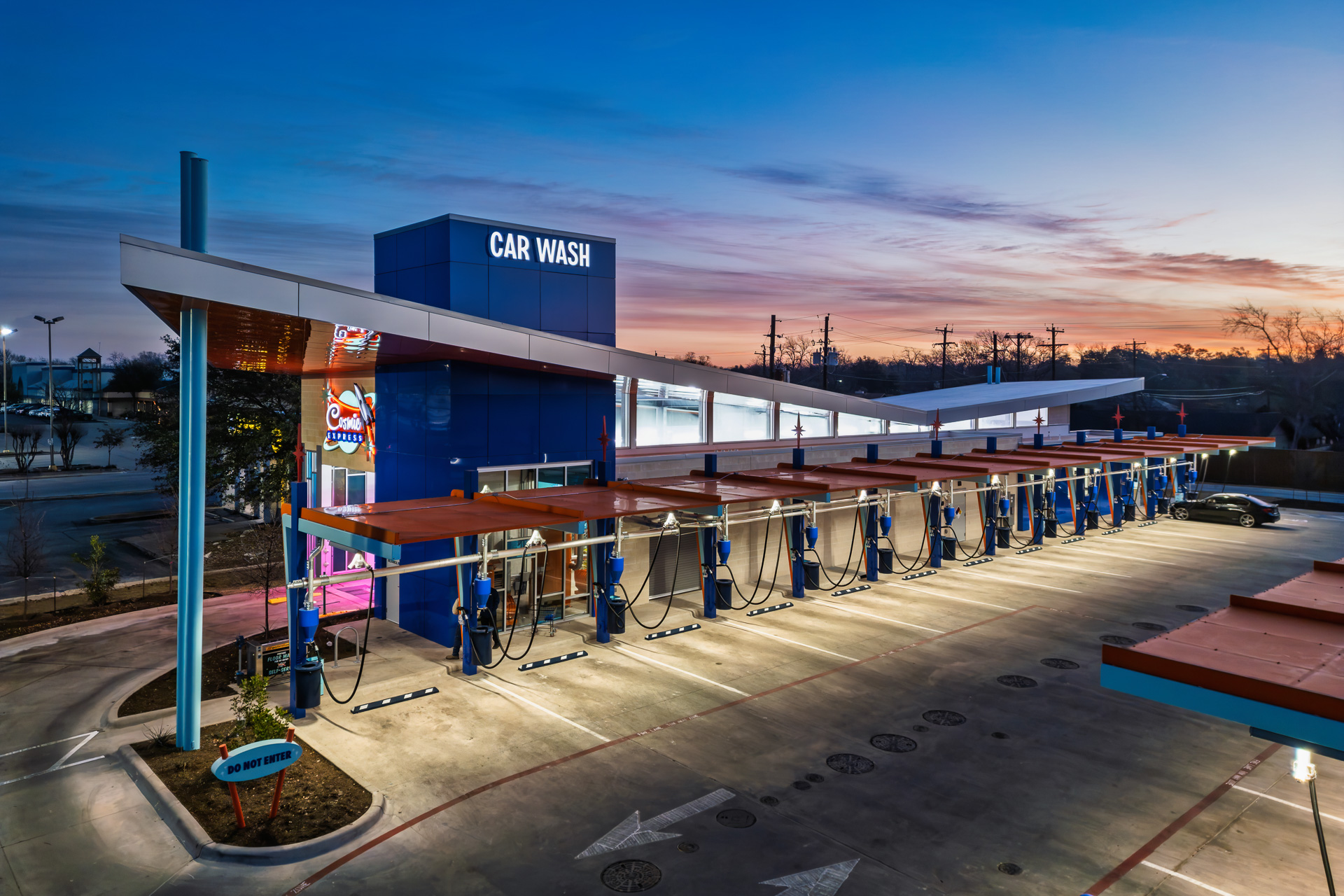
Common mistakes include too few vacuum stalls, tight spacing, awkward circulation, limited lighting, poor canopy planning, and vacuum areas that interfere with tunnel exits. For express washes, vacuums are part of the customer experience. If the area feels cramped or inconvenient, customers may not return.
A well-planned vacuum area should feel easy, safe, and consistent with the overall brand experience.
4. Choosing Cheap Materials
Car washes are demanding environments. Buildings are exposed to water, chemicals, humidity, sunlight, vehicle traffic, and constant use. Materials that look acceptable on opening day may fade, corrode, or fail quickly if they are not selected carefully.
Going cheap can lead to higher maintenance costs, weaker curb appeal, and a facility that feels outdated too soon. Good design is not about overspending. It is about choosing durable, appropriate materials that support the brand and the business model.
APDG’s portfolio of car wash and commercial projects shows how thoughtful material choices can create facilities that are attractive, functional, and built for long-term performance.
5. Hiring Inexperienced Designers
One of the most expensive mistakes a new owner can make is hiring a designer who does not understand car washes.
Car wash projects are highly specialized. They require coordination between architecture, civil engineering, structural systems, equipment layouts, plumbing, electrical systems, drainage, traffic flow, and local code requirements. An inexperienced designer may miss critical details that only become obvious during construction and when open and functioning.
A cheaper design fee can become much more expensive if the plans are incomplete or poorly coordinated. APDG’s approach is built around thorough planning, practical problem-solving, and deep automotive-sector expertise.
Explore APDG’s high-performance architecture for automotive and retail spaces to see how focused expertise supports better project outcomes.
6. Treating the Building Like a Utility Box
A car wash is not just a structure around equipment. It is a customer-facing business. The building communicates quality, speed, trust, and value before a customer ever enters the site.
A plain or poorly designed facility can make customers question the experience inside. A strong design can help the wash stand out, support premium positioning, and reinforce the brand.
Owners should consider street presence, building proportions, lighting, signage, materials, and local market expectations. Strong car wash design combines function and brand impact.
7. Ignoring Site Constraints
Every site has limitations. These may include access points, setbacks, easements, utilities, drainage requirements, zoning restrictions, slopes, or neighboring properties.
New owners sometimes commit to a site before confirming whether it can support the desired car wash model. That can lead to compromises that affect the business for years.
Before moving forward, owners should evaluate vehicle stacking, ingress and egress, utility access, tunnel placement, vacuum layout, visibility, and approval requirements. A strong site assessment helps confirm whether the property supports the business plan.
8. Forgetting the Customer Experience
Operational efficiency matters, but so does how the customer feels while moving through the site. Confusing signage, tight turns, poor lighting, unclear point of sale, and awkward exits can reduce repeat business.
A successful car wash should feel simple to use. Customers should understand where to go, what to do, and how to move through the process with confidence.
Good design removes friction. It makes the experience feel fast, clean, safe, and professional.
9. Underestimating Construction Coordination
Even a strong design concept can run into trouble if the construction documents are not thorough. Car wash projects require careful coordination between many disciplines and specialized systems.
Weak coordination can cause equipment conflicts, drainage issues, structural complications, electrical or plumbing problems, delays, and expensive change orders.
APDG emphasizes detailed documentation because better planning on the front end helps reduce surprises later. For new owners, that level of coordination can make a major difference in project cost and schedule.
10. Designing Only for Opening Day
A car wash should be designed for long-term performance, not just the grand opening. Owners need to think about maintenance, equipment replacement, technology upgrades, membership growth, and future brand refreshes.
A future-focused design considers expansion potential, service access, lighting upgrades, vacuum demand, and long-term curb appeal. The goal is not just to open. The goal is to build a facility that continues to compete.
Better Car Wash Design Starts With Better Planning
The most costly car wash design mistakes are usually preventable. Poor traffic flow, tunnel sizing errors, weak vacuum planning, cheap materials, and inexperienced design can all affect revenue, customer satisfaction, and long-term profitability.
The right architecture partner connects design decisions to business outcomes: smoother operations, stronger brand presence, better customer experience, fewer construction surprises, and a facility built to perform.
APDG Architects brings more than two decades of experience designing high-performance car wash, dealership, and commercial spaces. From early planning through construction documentation, our team helps owners turn complex project goals into functional, brand-driven architecture.
Ready to start your car wash project? Visit APDG Architects or explore our car wash design expertise to begin planning a facility built for performance.
FAQ
What is the most important part of car wash design?
Traffic flow is one of the most important parts of car wash design because it affects customer experience, throughput, site safety, and revenue potential.
Why do new car wash owners need an experienced architect?
Car washes are technically complex buildings with specialized equipment, drainage, plumbing, traffic flow, and customer experience requirements. An experienced architect can help reduce costly design and construction issues.
How does tunnel sizing affect car wash performance?
Tunnel sizing affects equipment layout, vehicle movement, wash quality, maintenance access, and throughput. Poor tunnel planning can limit efficiency and increase operation costs.
Are vacuum areas important in car wash design?
Yes. Vacuum areas are a major part of the customer experience, especially for express and membership-based car washes. Poor planning can create congestion and reduce perceived value.
Recent Posts / View All Posts